
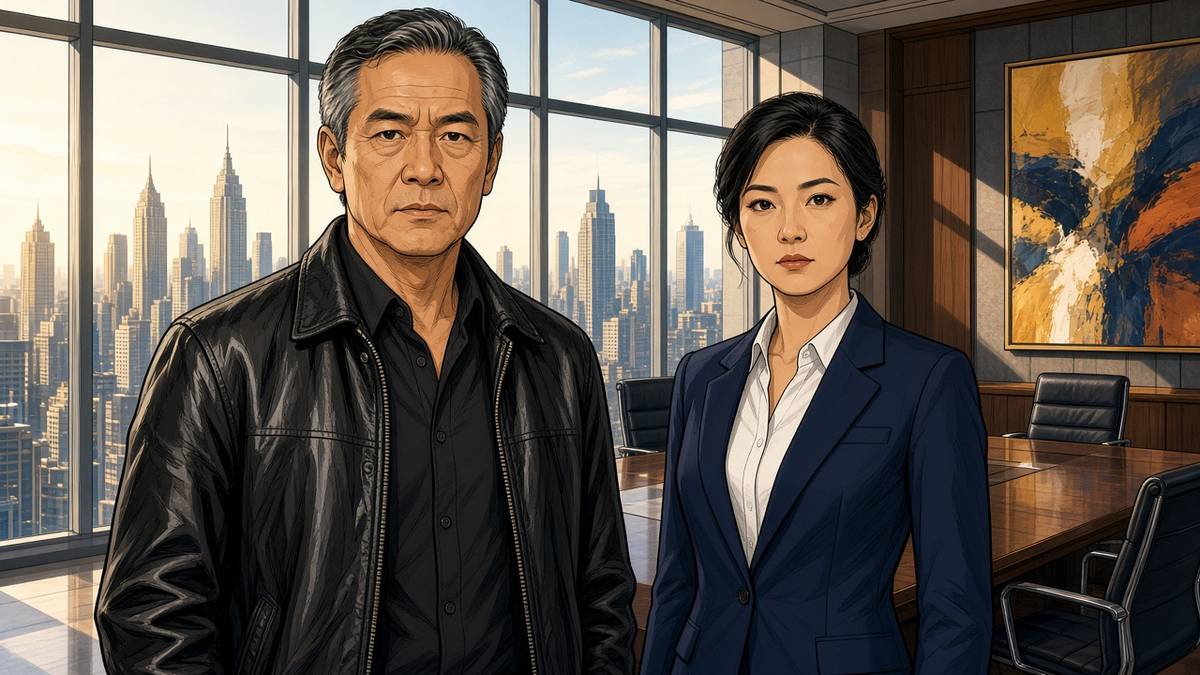
On November 8, 2026, Jensen Huang, co-founder and longtime chief executive of Nvidia, told employees in an internal message that he had been unfaithful to his wife. The relationship he acknowledged was with Alice Huang—also known as Huang Le—a Chinese national and former executive at the Singapore-based company Megaspeed. The two share the same surname but are not related. What initially appeared as a private misstep rapidly became a matter of corporate strategy and national consequence.

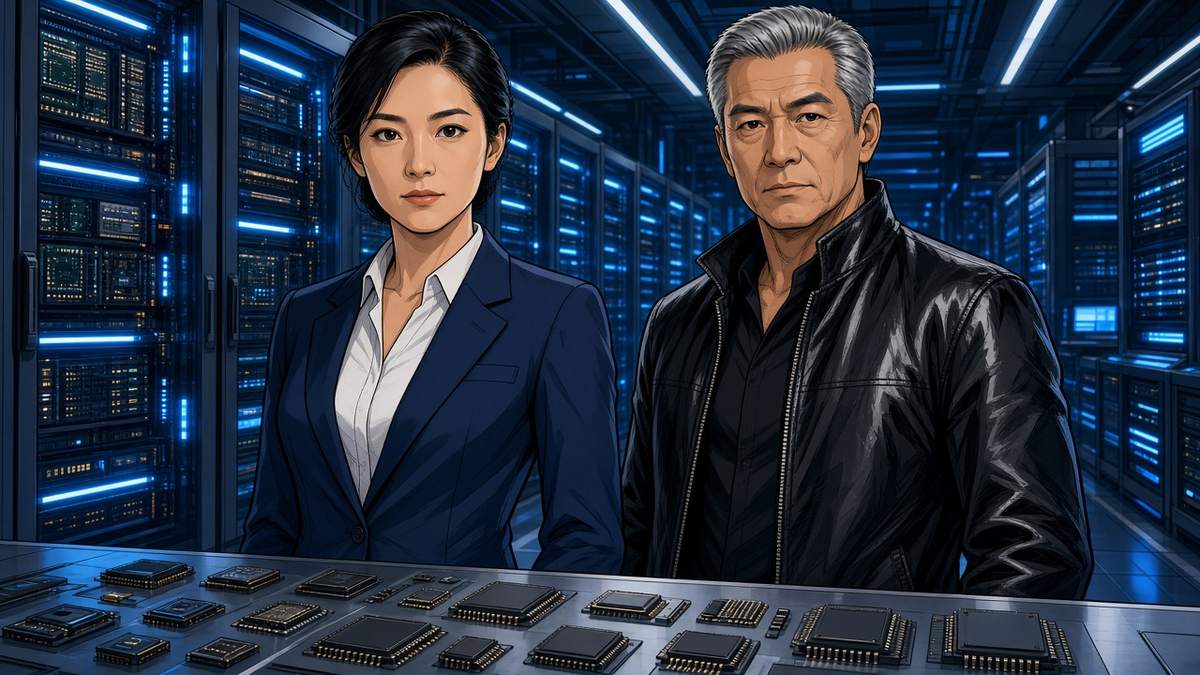
U.S. intelligence agencies had previously concluded that Alice Huang was acting as an asset of Chinese intelligence services. According to reports, she sought proximity to Huang while Megaspeed purchased large volumes of Nvidia hardware—during a period when Washington was enforcing strict export controls on advanced AI chips destined for China. Nvidia’s board responded immediately by launching an independent investigation to determine whether the CEO had been deliberately targeted by a foreign influence operation. At the same time, the board stated that it had no indication so far that company secrets or national security had been compromised. Huang himself pledged full cooperation and remained in his role for the time being.
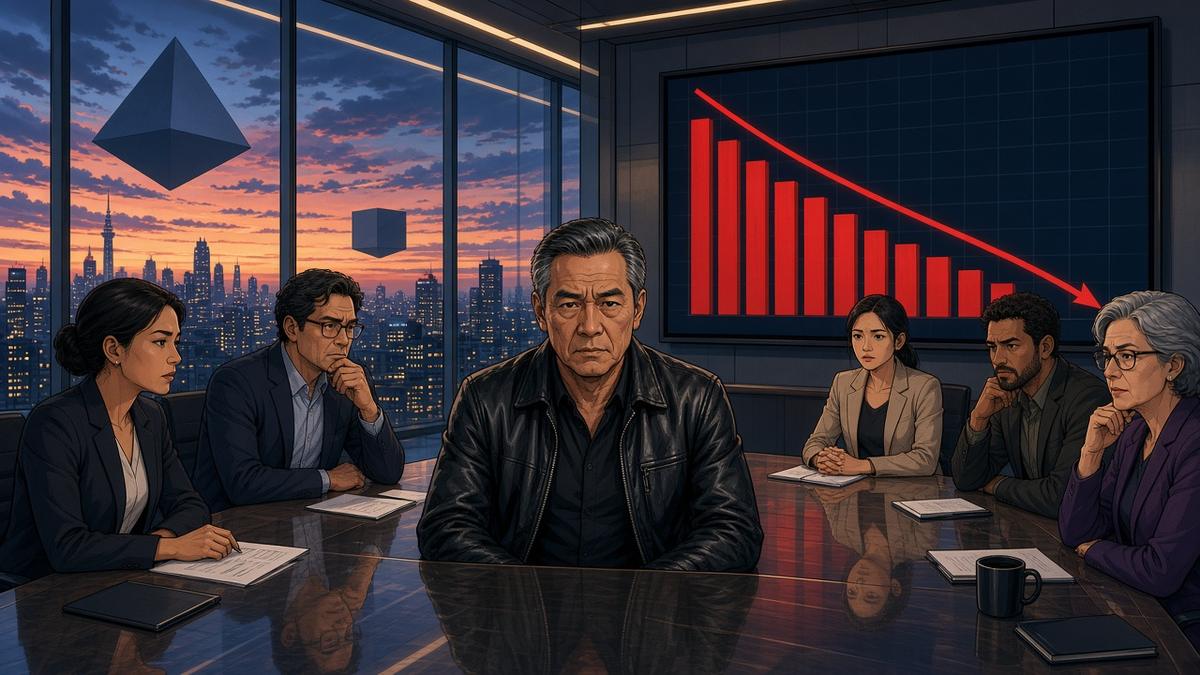
Market reaction was clear: the share price declined noticeably in a short time. For years, investors had accepted the company’s extreme dependence on a single individual—Huang is widely regarded as irreplaceable, runs the firm with a flat structure and numerous direct reports, and has not prepared a clear succession plan. Suddenly that key-person risk moved to the center of attention. At the same time, Huang’s long-standing efforts to ease export controls toward China came under fresh scrutiny. He had argued that locking Nvidia out would only strengthen Chinese competitors. Whether the private relationship influenced his stance or his discussions with the U.S. government remains subject to the ongoing reviews.
The Chinese side rejected the espionage allegations, describing them as unsubstantiated. For Nvidia and the broader AI industry, an uncomfortable question nevertheless arises: How robust is a leadership structure that rests so heavily on one personality when personal decisions suddenly intersect with geopolitical interests? The coming weeks will show whether the investigations produce clarity or further heighten uncertainty about the company’s future direction and its China-related business.

chicki-chicki – hot or not